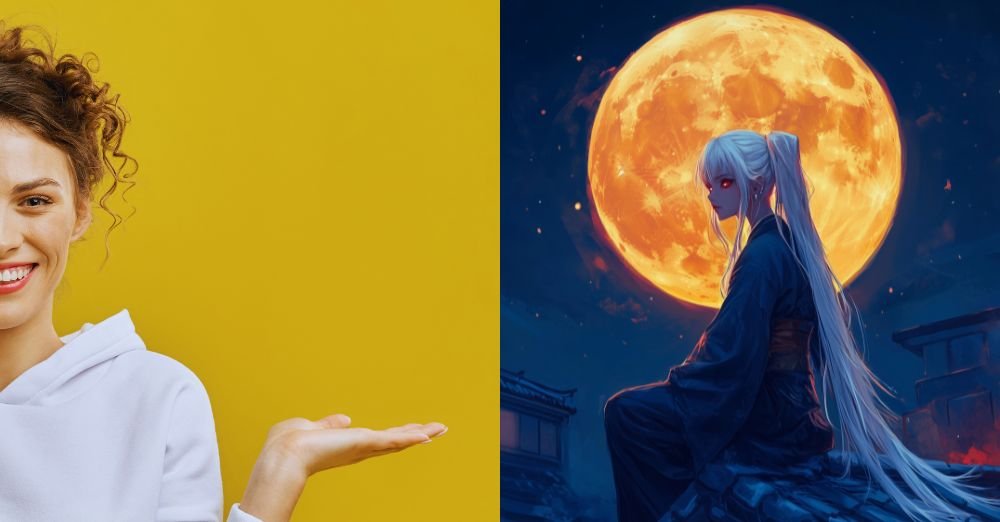

The crossing of the arms, the twinkle in the eye, the dramatic pause before the big reveal. Gestures, which only a few years ago belonged mainly to fans of Japanese anime, are now used by museums, beverage brands, and regular restaurants. Anime is no longer just a matter of a narrow community. His visual language permeated marketing and became part of Internet culture.
When you imagine a cognac advertisement, the first thing that probably comes to mind is an actor who “summons” a bottle of his drink using dramatic anime gestures. But that’s exactly what Idris Elba did when promoting his Porte Noire brand. It was not a random experiment, but a reaction to one of the trends that has spread significantly on Instagram in recent months.

A gesture that even those who have never watched anime can understand
The trend works on a simple principle. A person in front of the camera performs a sequence of characteristic hand movements reminiscent of summoning gestures from the series Jujutsu Kaisen. The music gradually progresses to a significant rhythmic break – the so-called beat drop – and it is at this moment that the product, food, drink or anything that was supposed to be “summoned” appears.
Interestingly, this format also works for people who have never seen the series. Gestures have become such a widespread visual symbol that they no longer need an explanation. The viewer intuitively understands that the big reveal is coming.
That is why brands and institutions, from restaurants to science museums, have joined the trend. Anime has gradually become part of the common visual vocabulary of the Internet – in the same way that emoticons, GIFs and Internet memes once became part of it.
Why does this trend work?
Success is not based on knowledge of a specific series, but emotion. Gestures create anticipation, music heightens the tension, and the subsequent revelation brings a sense of satisfaction to the viewer. The brain responds to this rhythm naturally, regardless of whether it knows the original anime context.
That is why even brands that have nothing to do with anime can use this format. They don’t take over the story itself, but a way of telling it that can capture and hold attention.
However, the execution itself is also important. If the gestures seem uncertain or are only “forced”, the result can sound awkward. The whole effect is based on the fact that the author makes them confidently and with insight. It’s the convincing execution that separates content that feels authentic from a video that looks like a failed imitation of a trend.
What can brands gain from this?
This trend shows something more important than just the popularity of anime. The lines between what was once considered internet subculture and what is now mainstream are blurring faster and faster.
For brands, this means that it is also worth following trends emerging outside the traditional marketing world. It is there that a new visual language is often created, which will be adopted by big brands and the general public in a few months.
However, this does not mean that every trend should automatically end up in every corporate communication. The ones that work best are those that naturally fit into the brand’s identity and don’t seem like an effort to catch up to the internet. Trends come and go, but authenticity remains what people remember the most.