Instagram influencer marketing remains a powerful growth channel for brands in 2025. With Instagram pushing creator-led content through Reels, Stories, and Collab posts, influencers play a direct role in how people discover and evaluate products.
But influencer marketing today goes beyond follower counts or one-off promotions. Success now depends on audience fit, authenticity, and a clear influencer marketing strategy tied to real business goals.
In this guide, we will break down what influencer marketing strategy will really mean in 2026, why it still works, the latest trends, and how to build a modern strategy.
So let’s dive in.
What Is Instagram Influencer Marketing?
Instagram influencer marketing is a strategy where brands collaborate with creators to promote products or services to a targeted audience through authentic, creator-led content.
Instead of traditional ads, brands leverage an influencer’s trust, credibility, and community to drive awareness, engagement, and conversions.
Who is an Instagram influencer?
These are Instagram users who have built a following and can persuade their audience through their trustworthiness and authenticity.
Let’s also look at some of the influencers operating on Instagram.
Types of Influencers on Instagram
Having a huge following on Instagram does not necessarily translate into more sales. Such influencers offer a wider audience, but that does not mean influencers with fewer followers can’t get the job done.
Some people insinuate that sponsored promotions from nano influencers are more authentic than those from other creators with a huge follower count.
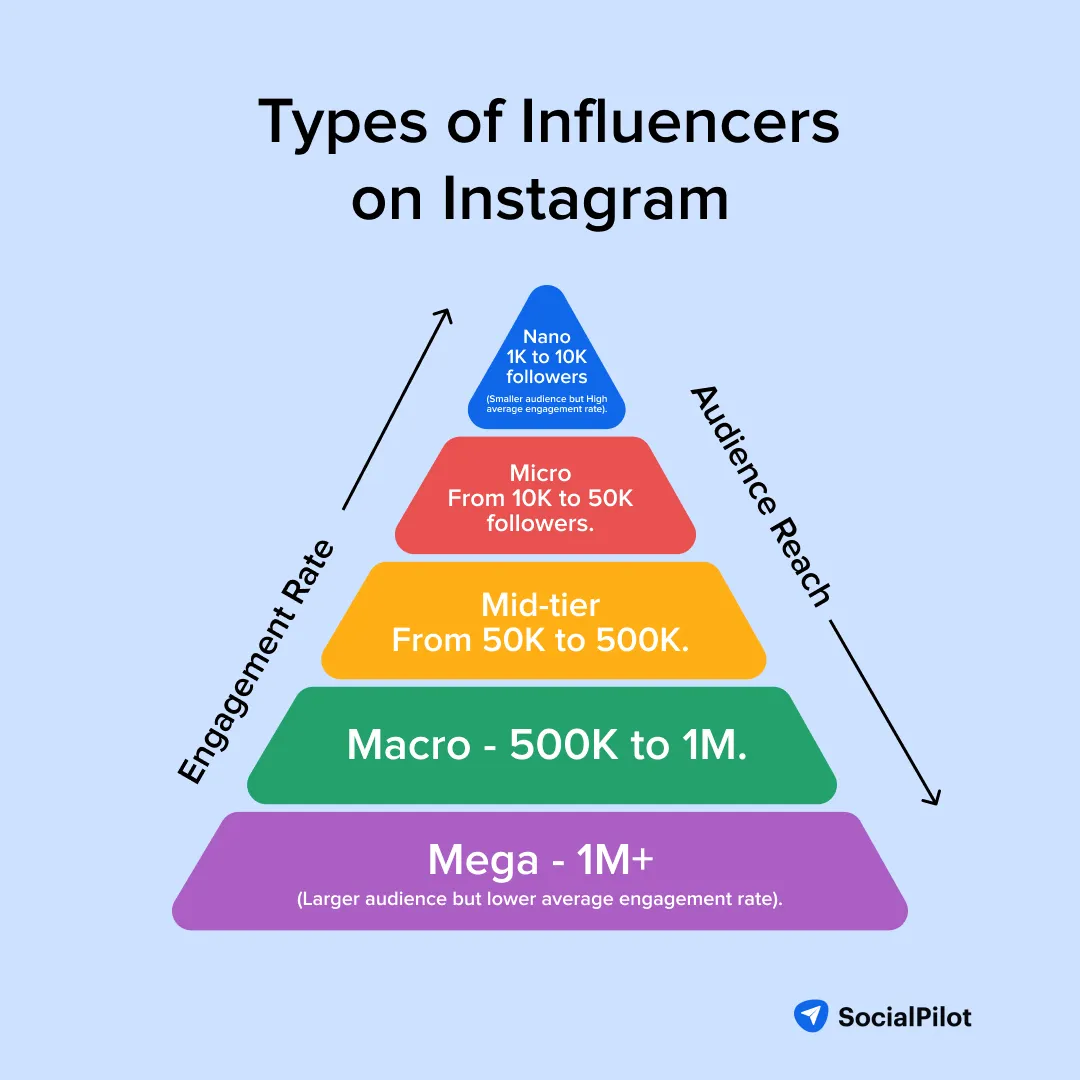
Here are the five types of influencers on Instagram:
- Nano: 1K to 10K followers (Highly engaged niche audiences and strong trust).
- Micro: From 10K to 50K followers. (Balanced reach and engagement, ideal for conversions)
- Mid-tier: From 50K to 500K. (Scalable visibility with targeted audiences)
- Macro: 500K to 1M. (Broad reach for brand awareness campaigns)
- Mega: 1M+ (Larger audience but lower average engagement rate).
What Are the Benefits of Instagram Influencer Marketing?
Instagram influencer marketing continues to deliver results because it aligns with how people discover and trust brands today.
1. Strong Engagement and Conversion Potential
- Micro and nano influencers drive higher engagement rates
- Niche audiences lead to better-quality traffic
- Creator content often outperforms paid ads in clicks and saves
2. People Trust Creators More Than Ads
- Users rely on creator recommendations over branded promotions
- Influencers feel relatable, not sales-driven
- Trust directly impacts purchase decisions
3. Influencer Marketing Market Growth
- Influencer marketing continues to see steady global growth
- More brands are shifting budgets from ads to creator partnerships
- Long-term influencer collaborations are becoming the norm
4. Instagram Favors Creator Content
- Reels and Collab posts get higher organic reach
- Creator-led content blends naturally into feeds
- Influencers help brands bypass declining organic reach
5. Measurable and Scalable Channel
- Clear tracking through links, codes, and campaign metrics
- Easy to scale from small tests to full campaigns
- Works across industries and business sizes
How to Build an Instagram Influencer Marketing Strategy
Instagram can be a great platform to establish your influencer marketing campaigns, and you must know how to create a winning strategy.
Let’s talk about the essentials of building an Instagram influencer marketing strategy.
1. Start with One Goal (don’t run a “generic influencer campaign”)
Pick one primary outcome, then build everything around it:
- Awareness: reach, impressions, video views, follower growth
- Consideration: profile visits, saves, website clicks, time-on-site
- Conversion: purchases, trials, leads, bookings
The influencer marketing industry is still scaling hard (estimated $32.55B in 2025), which is why brands are treating this like a real channel, not an experiment.
Example: If you’re a SaaS brand, your KPI shouldn’t be “likes.” The trial starts from influencer links.
Embed this video: https://youtu.be/PvJibnR7TN0
2. Choose the Right Influencer Tier (small creators often win)
In 2025, creators with smaller audiences often deliver better engagement and trust.
- Nano creators can see higher engagement than macro creators (e.g., one dataset shows ~1.7% for nanos vs ~0.6% for macros).
- Micro influencers: best balance of reach and conversions.
- Mid-tier / macro: useful for awareness and launches.
Strategy:
- Use nano/micro for conversions and UGC volume
- Use mid-tier/macro for awareness and fast distribution
Example: Launch campaign = 1 mid-tier creator for reach + 10 micro creators for conversions and content reuse.

In the above example, Freya Treasures Jewelry has collaborated with Giorgia Ylenia Gasio Thomas, a micro-influencer with more than 12K followers, to promote their jewelry collection.
3. Lock Your Audience Fit (this is where most campaigns fail)
Most influencer campaigns fail because brands choose creators based on vibes, not data.
Before partnering, check:
- Audience match: location, language, age range, interests
- Content match: Does their content style fit your product?
- Credibility: Do comments look real? Do they reply? Is it spammy?
- Brand safety: past posts, tone, controversy risk
Tactic: Ask for a creator media kit + recent post insights (reach, saves, shares, story link clicks).
If the audience doesn’t match your buyer, the campaign won’t work — no matter how good the content looks.
4. Build a Creator-first Campaign Brief (tight, but not controlling)
A strong influencer brief gives creators direction, not a script. Over-controlling kills authenticity, which directly hurts performance on Instagram.
Your brief should clearly cover:
- Campaign goal: what success actually looks like
- Audience context: who the content is for and why it matters
- Core message: 2–3 key points the creator must communicate
- Creative boundaries: claims to avoid, competitors, not to mention brand tone
- Deliverables: format, count, timeline, and posting window
- Usage rights: whether content can be reused in ads or other channels
Best practice: let creators adapt the message to their voice. Campaigns perform better when creators sound like themselves, not brand spokespeople.
5. Use Instagram Formats that Are Rewarding
Instagram’s algorithm rewards formats that keep users watching and interacting. Your strategy should follow distribution, not personal preference.
High-performing formats in 2025:
- Reels: best for reach, discovery, and algorithmic push
- Stories: ideal for trust, links, and conversions
- Collab posts: shared reach between brand and creator profiles
Strategic approach:
Reels bring people in, Stories drive action, and Collab posts increase visibility without extra spend.
Example: A product launch using one Reel for awareness, a Story sequence for education, and a Collab post for credibility.
6. Stay Compliant and Protect Brand Trust
Disclosure is not optional anymore. Platforms, regulators, and users are more aware of paid partnerships.
What to enforce:
- Clear disclosure at the start of captions or Stories
- Consistent language like “paid partnership” or “ad”
- No hidden hashtags or vague wording
Beyond legality, transparency builds trust. Audiences are fine with sponsored content, but they’re not fine with being misled.
7. Plan Amplification Before You Launch
Organic influencer content is the test. Paid amplification is the scale.
Modern strategy:
- Start with multiple creators
- Identify top performers based on engagement and conversions
- Whitelist or boost the best posts
- Repurpose high-performing UGC into ads, landing pages, and emails
This turns influencer marketing from a one-time expense into a repeatable growth system.
8. Build Measurement Into the Strategy From Day One
If tracking is an afterthought, ROI becomes a guessing game.
Minimum setup:
- Unique tracking links or UTMs per creator
- Dedicated landing pages where possible
Benchmarks by format (Reels vs Stories vs Collab posts) - Clear attribution window
Measure what matters to your goal, not everything available. Awareness campaigns shouldn’t be judged like conversion campaigns.
3 Examples of Instagram Influencer Marketing
Some of the brands that have successfully utilized Instagram influencer marketing include:
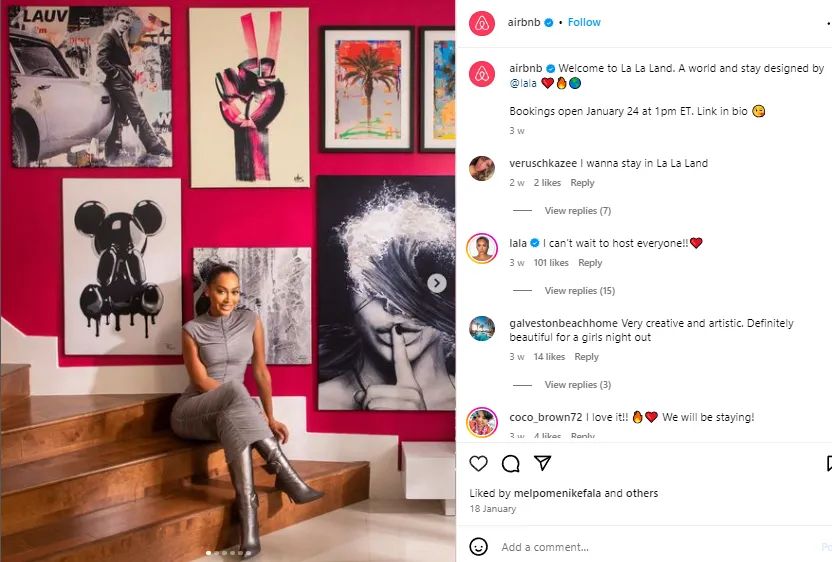
Airbnb
Airbnb frequently collaborates with travel influencers and content creators on Instagram to showcase various accommodations and travel experiences worldwide.
Daniel Wellington
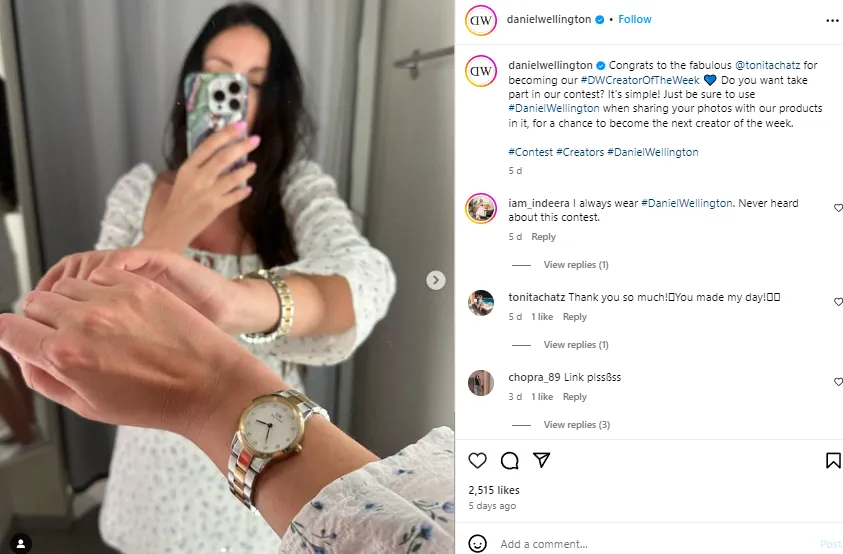
Daniel Wellington, a watch brand, is known for its strategic use of influencer marketing on Instagram.
The post below shows how they collaborate with creators from around the world, making them #DWCreatorOfTheWeek and generating more traction and UGC.
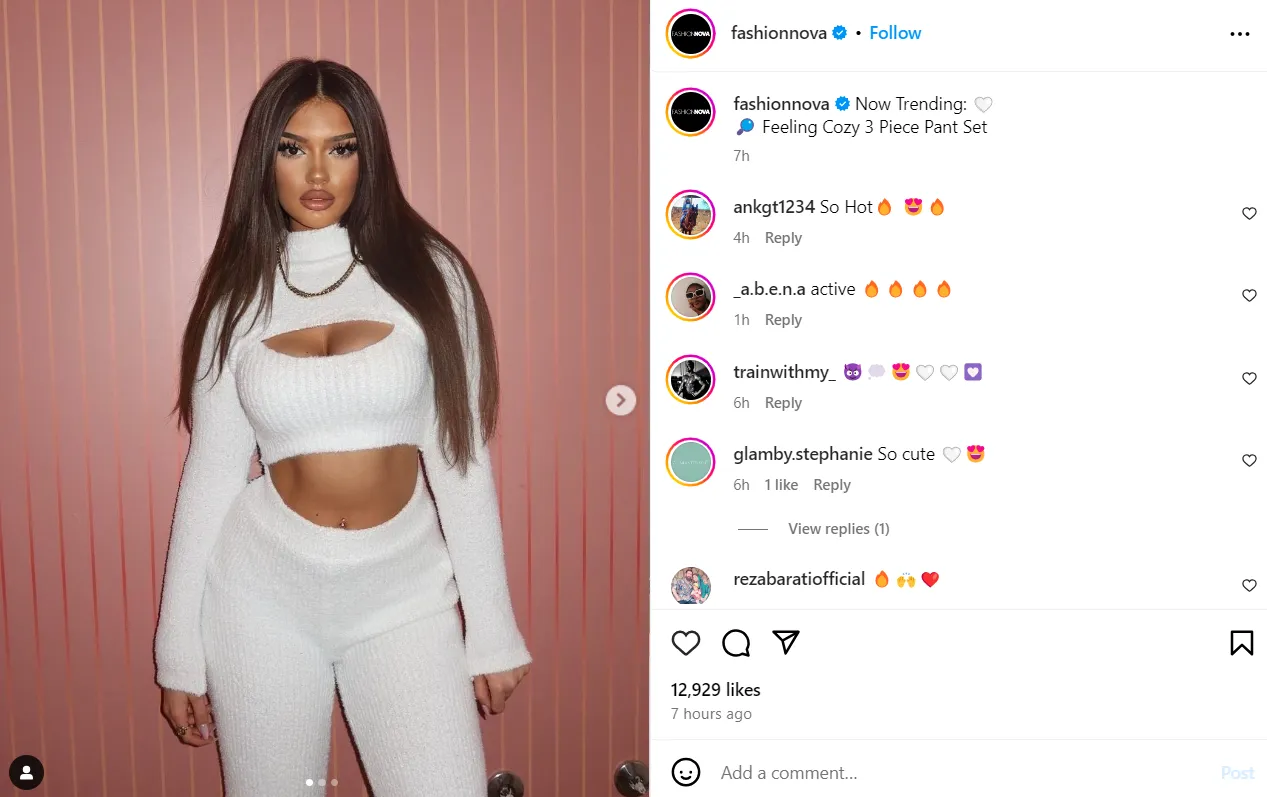
Fashion Nova
Fashion Nova, a fast-fashion retailer, has mastered the art of influencer marketing on Instagram. They regularly partner with influencers, particularly those in the fashion and beauty niche, to promote their trendy clothing and accessories.
How Much Does Instagram Influencer Marketing Cost
The level of influence and popularity of an Instagram creator will determine their compensation rate and formula. The world’s top brands are parting with huge amounts of money to pay celebrity influencers to market their brands.
Here is a range of the charges imposed by different categories of Instagram influencers:
- Mega: above $10,000 per post
- Macro: between $5,000 to $10,000 per post
- Mid-tier: between 500 to $5,000 per post
- Micro: between $100 to $500 per post
- Nano: between $10 to $100 per post
Here are some of the top earners on Instagram based on cost per post:
- Cristiano Ronaldo: $3,234,000
- Lionel Messi: $2,597,000
- Selena Gomez: $2,558,000
- Kylie Jenner: $2,386,000
- Dwayne Johnson: $2,326,000
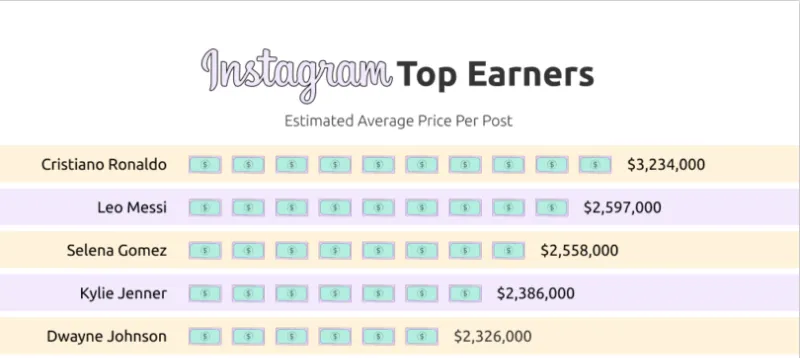
The interesting fact about the above list is that they are the top five most followed people on Instagram – you can clearly see the relation between popularity and influencer marketing.
How to Measure the ROI of Instagram influencer Marketing
Measuring influencer marketing ROI in 2026 goes beyond likes and follower growth. The right metrics depend on your campaign goal and should be decided before the campaign starts.

Awareness Metrics
Use these when reach and visibility are the primary goals:
- Reach and impressions
- Video views and watch time (especially for Reels)
- Profile visits and follower growth
Engagement Metrics
These show how well the content resonates:
- Engagement rate (likes, comments, shares, saves)
- Saves and shares (strong indicators of content value)
- Story interactions (polls, replies, taps)
Traffic Metrics
Track how influencers drive users off Instagram:
- Link clicks from Stories or bio
- Website sessions from influencer links
- Time spent on site and bounce rate
Conversion Metrics
Essential for performance-focused campaigns:
- Purchases, sign-ups, or trial starts
- Conversion rate by creator or format
- Cost per conversion or cost per lead
Content Value Metrics
Often overlooked but important:
- Reusable UGC created
- Performance of influencer content in ads
- Long-term value beyond the campaign
The key is alignment. Judge campaigns based on their objective, not a single universal metric.
Tools and Tech That Make Execution Faster
Running influencer campaigns manually doesn’t scale. In 2026, brands are planning to employ a small stack of tools to move faster, stay organized, and measure results properly.
1. Influencer Discovery & Management Tools
Tools like Upfluence and Heepsy help brands find influencers based on audience demographics, engagement rate, location, and niche. They also simplify outreach, collaboration tracking, and creator performance analysis.
You avoid guesswork and reduce the risk of partnering with creators who don’t align with your audience.
Platforms like SocialPilot help manage influencer-published content, track engagement, and measure performance across Instagram posts, Reels, and Stories from one dashboard.
Easier content tracking, consistent reporting, and faster optimization without juggling multiple tools.
3. Tracking & Attribution Tools
Using UTM links, custom landing pages, and discount codes makes it easier to connect influencer activity to traffic, leads, and conversions.
You can clearly see which creators and formats are driving real results, not just visibility.
Should You Be Using Instagram Influencer Marketing for Your Business?
There is no denying how much impact Instagram influencer marketing has on a brand’s awareness. If you can get an influencer who naturally promotes your products without the campaign looking unauthentic, your audience will grow quickly.
But we’re not suggesting that it will be a walk in the park—you’ll still need to put in the work. Follow the strategies we’ve discussed in this blog and focus on finding the right creators who can genuinely endorse your products.
PS: Want to simplify the process of managing your social media campaigns while scaling results? Tools like SocialPilot offer flexible pricing plans that make it easier for businesses of all sizes to create, schedule, publish, and track content performance across platforms. It’s a cost-effective way to save time, stay consistent, and get the most out of your influencer partnerships.